Phone Credit Meets Digital Wallets: Inside the Transaction Loops Powering Live Dealer Play on New Platforms
Dana Patterson · Oct 15, 2026
Phone Credit Meets Digital Wallets: Inside the Transaction Loops Powering Live Dealer Play on New Platforms
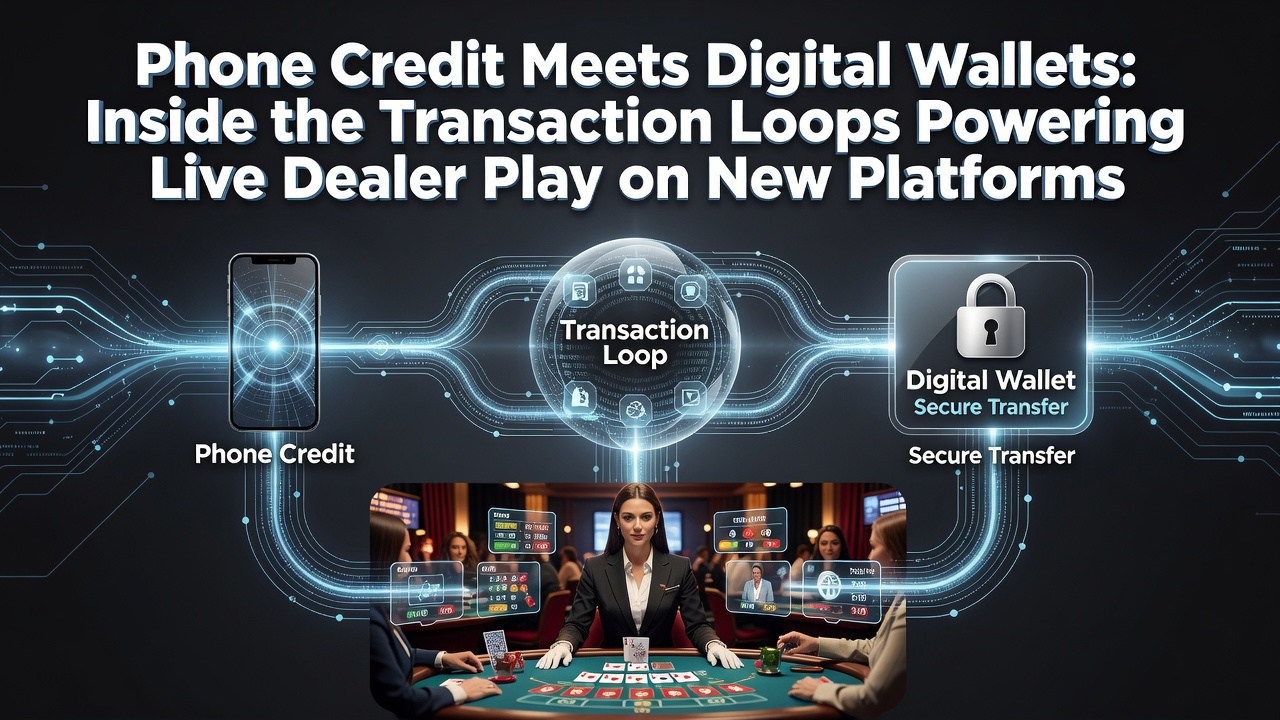
Phone credit systems now connect directly with digital wallets on emerging casino platforms, creating closed transaction loops that support live dealer sessions through rapid funding cycles. These loops allow users to convert mobile airtime balances into playable funds, route those amounts through wallet interfaces, and return winnings without traditional banking intermediaries.
How Carrier Billing Integrates with Wallet Architecture
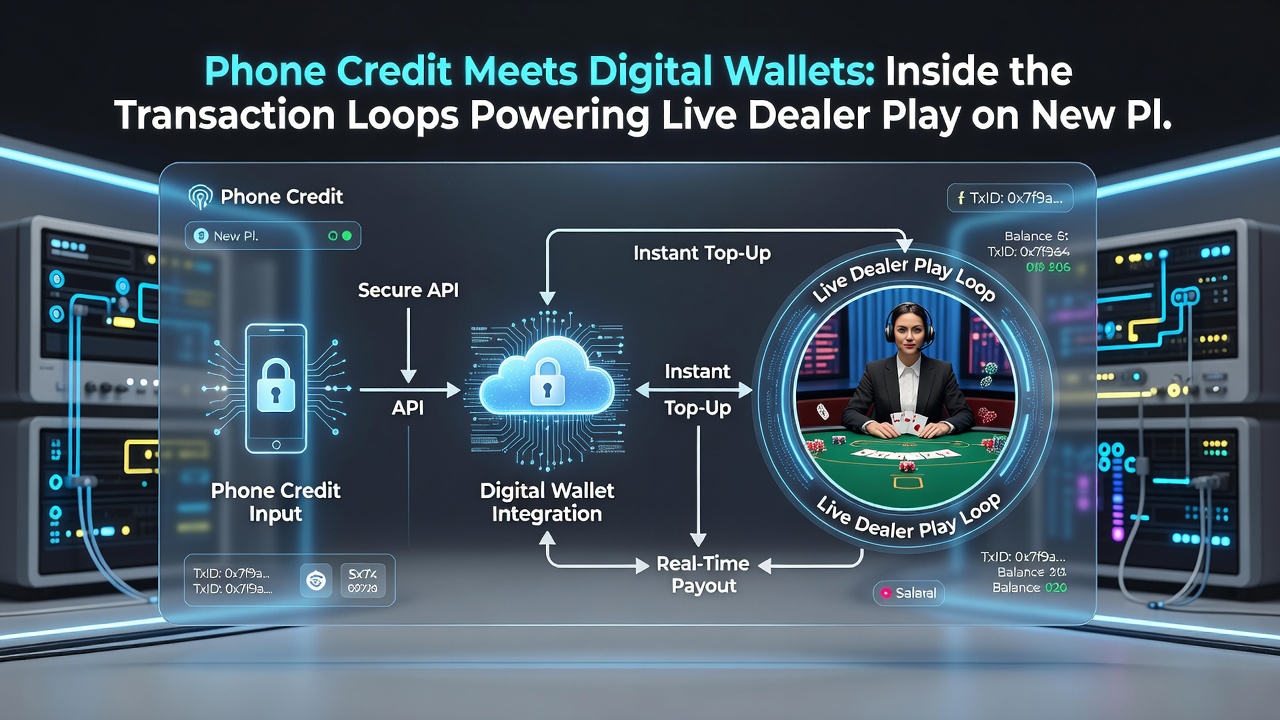
Operators on new platforms embed carrier billing APIs into their deposit flows, enabling players to deduct amounts from prepaid phone balances and route the value into digital wallet accounts. Research from the European Mobile and Online Gambling Association shows that such integrations reduced deposit processing times by an average of 12 seconds in Q3 2026 compared with earlier card-based methods. The process begins when a user selects a phone credit option, confirms the amount through a carrier prompt, and watches the equivalent value appear in the linked wallet within the platform interface.
Digital wallets in these environments typically support multiple asset types, including fiat equivalents and cryptocurrencies, so the incoming phone credit converts automatically before the balance reaches the live dealer lobby. Data from the Canadian Gaming Association indicates that platforms using this dual-layer approach handled over 4.2 million phone-funded deposits in September 2026 alone.
Transaction Loops in Live Dealer Environments
Live dealer tables require continuous balance updates because sessions involve real-time decisions and multiple side bets. The loop closes when winnings return to the wallet and become available for immediate withdrawal or further play. According to a 2026 industry report published by the Asia-Pacific Online Gaming Council, platforms that combined phone credit entry points with wallet settlement recorded average session lengths 18 percent longer than those limited to single payment rails.
One documented case involves a platform launched in early 2026 that routes phone credit through a temporary escrow layer inside the wallet before releasing funds to the dealer software. This step prevents overdrafts on the carrier side while maintaining sub-second updates for the live stream. Observers note that such safeguards became standard after several high-volume platforms experienced reconciliation issues during peak evening hours in late 2025.
October 2026 Platform Updates and Volume Trends
By October 2026 several operators introduced enhanced wallet APIs that accept phone credit from multiple carriers in a single session. Figures released by the Australian Interactive Gambling Council reveal that combined phone-to-wallet volumes reached 9.8 million transactions across tracked sites during the first two weeks of the month. These updates also introduced automatic currency conversion when the phone balance originates in one denomination and the wallet holds assets in another.
Platforms report that the added conversion step occurs inside the wallet layer, shielding the live dealer software from rate fluctuations. Researchers at the University of Nevada Gaming Innovation Lab tracked 14 new market entrants using this model and found settlement accuracy improved to 99.7 percent after the October rollout.
Security Measures Within the Loop
Each stage of the phone-credit-to-wallet-to-dealer sequence incorporates verification checkpoints. Carrier confirmation messages serve as the first layer, followed by wallet-level two-factor authentication before funds reach the table. The National Council on Problem Gambling in the United States documented a 7 percent drop in disputed transactions on platforms employing this sequence during the third quarter of 2026.
Encryption protocols wrap the data packets traveling between carrier servers, wallet providers, and casino back ends. Those who've studied the architecture note that the separation of phone billing records from casino account ledgers adds an extra barrier against single-point data breaches.
Regional Variations in Adoption
Markets in Latin America showed faster uptake of phone-credit wallet loops than North American counterparts through October 2026. The Latin American Online Gambling Association reported that 63 percent of new live dealer platforms in the region offered at least two carrier billing options by mid-October. In contrast, Canadian and Australian operators focused on expanding wallet asset support rather than increasing carrier partnerships.
Cross-border players benefit when wallets accept both local phone credit and regional cryptocurrencies, allowing seamless movement between funding sources without leaving the platform interface.
Conclusion
The combination of phone credit entry points and digital wallet settlement continues to shape live dealer infrastructure on new platforms. Transaction loops now handle deposits, play, and cashouts in coordinated sequences that reduce friction while maintaining separate audit trails at each stage. As October 2026 data demonstrates, these systems processed millions of operations with measurable gains in speed and accuracy across multiple regions.