Mobile Recharge Systems Powering Digital Asset Payouts in Real-Time Dealer Sessions at Innovative Online Venues
Dana Patterson · Oct 1, 2026
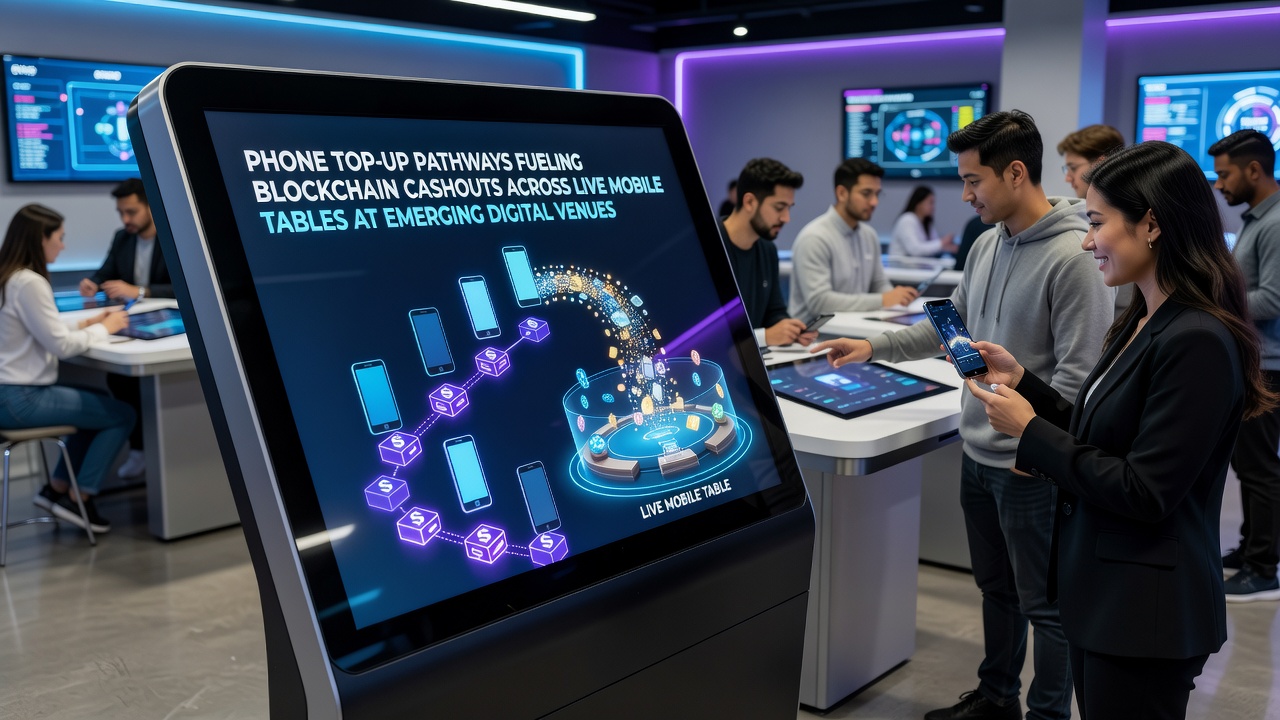
Mobile Recharge Systems Powering Digital Asset Payouts in Real-Time Dealer Sessions at Innovative Online Venues
Phone-based funding channels now integrate directly with distributed ledger systems to support rapid withdrawals at live dealer platforms hosted on emerging digital sites and these pathways rely on carrier billing networks that convert local currency deposits into tokenized assets within seconds. Operators in multiple regions have expanded these tools since early 2025 and data from transaction monitoring firms shows volume increases exceeding 40 percent in several markets by mid-2026. The process begins when users select a mobile carrier option at checkout then the system routes the amount through secure APIs that trigger smart contracts on the chosen blockchain network.
Mechanics of Carrier Billing Linked to Distributed Ledgers
Users initiate transfers by entering their phone number and confirming the amount through a one-time code sent via SMS and the carrier deducts the value from the prepaid or postpaid balance before forwarding it to an intermediary processor that converts the fiat amount into cryptocurrency at prevailing exchange rates. This conversion occurs automatically through partnered exchanges and the resulting tokens move to a user-controlled wallet address tied to the gaming account. Observers note that settlement times average under 90 seconds for deposits while cashouts follow a reverse sequence where the blockchain transaction completes first and the carrier credits the phone balance once confirmation reaches a threshold of network nodes.
Security protocols include end-to-end encryption on all API calls together with multi-signature requirements on wallet operations and regular audits of smart contract code by independent firms. Research from the Australian Gambling Research Centre indicates that platforms employing these combined systems report fewer disputes over transaction delays compared with traditional banking rails in comparable environments. Those who manage the infrastructure emphasize that compliance checks run in real time against sanctioned wallet lists maintained by various national authorities.
Live Mobile Tables at Expanding Digital Platforms
Live dealer streams delivered through mobile applications now incorporate these payment rails so players can fund sessions instantly and receive winnings as crypto without leaving the interface. Tables feature standard games such as blackjack roulette and baccarat with professional dealers broadcast from dedicated studios and the mobile view supports portrait orientation with touch controls for betting and chat functions. Emerging venues in regions outside major regulatory blocs have adopted the model rapidly and transaction logs from October 2026 reveal that average session lengths increased by 18 percent on sites offering phone-to-blockchain options versus those limited to card or e-wallet methods alone.
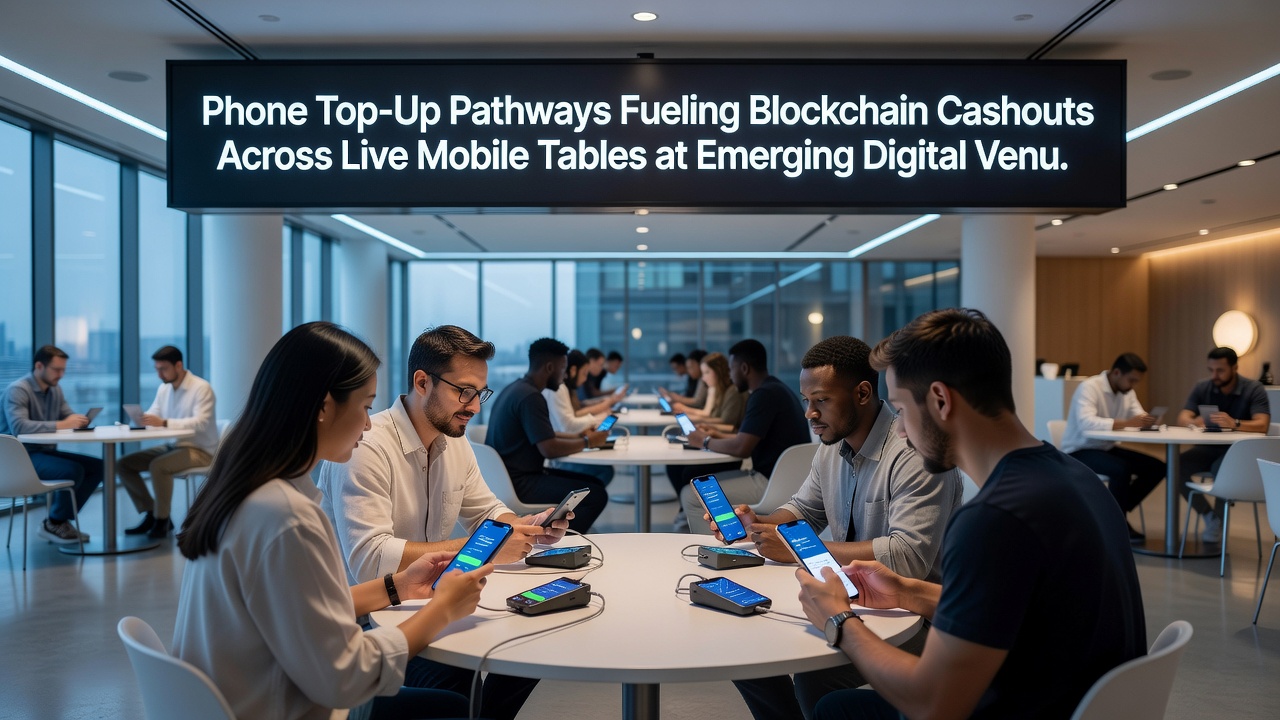
Integration points appear as selectable payment tiles within the cashier menu and once a player chooses the phone top-up route the interface displays current exchange rates alongside estimated arrival times for both deposit and withdrawal. Software development kits provided by payment aggregators allow operators to embed these features without rebuilding core gaming engines and several platforms updated their mobile applications in the third quarter of 2026 to include push notifications for completed blockchain confirmations. Figures released by the European Gaming and Betting Association show that mobile traffic now accounts for more than 70 percent of total activity on sites that support carrier billing linked to multiple chains including Ethereum and Solana variants.
Operational Patterns Across Geographic Markets
Platforms operating under licenses from jurisdictions such as Anjouan and Curaçao have led adoption while parallel growth appears in parts of Latin America and Southeast Asia where mobile penetration exceeds traditional banking access. Users in these areas often maintain prepaid phone balances that serve dual purposes for everyday communication and gaming transactions and the seamless conversion reduces friction associated with cross-border banking. A study conducted by researchers at the University of Nevada Reno examined user behavior on similar systems and found that repeat participation rates rose when cashout options included direct carrier credits rather than requiring external wallet transfers.
Network congestion on underlying blockchains can extend confirmation windows yet operators mitigate this through layer-two scaling solutions that batch multiple micro-transactions before final settlement. Monitoring dashboards track gas fees in real time and adjust displayed rates accordingly so players see transparent pricing before confirming any move. Data compiled through industry reporting services indicates that average fee overhead on optimized pathways stayed below 1.2 percent during the first nine months of 2026 across the sampled venues.
Conclusion
Phone top-up pathways continue to connect carrier billing networks with blockchain infrastructure and this linkage supports faster cashouts at live mobile dealer tables hosted by emerging digital venues. Transaction volumes have grown steadily and technical refinements in encryption and smart contract auditing have accompanied the expansion. Reports from multiple research organizations document both adoption rates and operational metrics while geographic spread reflects local mobile usage patterns more than centralized regulatory shifts. Future updates to these systems will likely focus on additional chain compatibility and improved notification layers for end users.