Decoding Protection Layers Enabling Mobile Crypto Funding in Cross-Jurisdictional Live Dealer Systems
Dana Patterson · Sep 17, 2026
Decoding Protection Layers Enabling Mobile Crypto Funding in Cross-Jurisdictional Live Dealer Systems
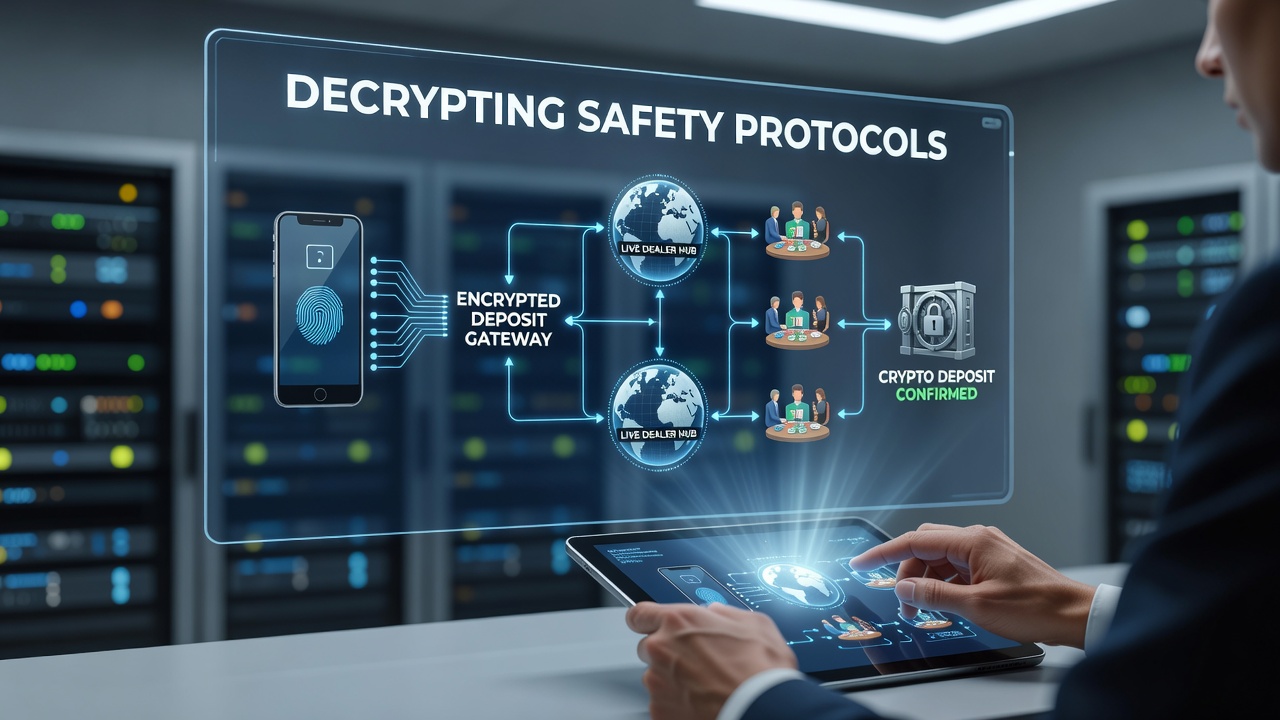
Security frameworks in multi-jurisdiction live dealer networks rely on layered encryption protocols that verify phone-enabled crypto deposits while maintaining compliance across borders, and operators integrate these measures to handle real-time transaction validation without disrupting gameplay sessions. Research from institutions such as the National Institute of Standards and Technology shows that advanced cryptographic standards like elliptic curve algorithms secure data flows between mobile carriers and blockchain ledgers, yet the process requires seamless coordination among licensing authorities in different regions.
Core Encryption Mechanisms at Work
Operators deploy end-to-end encryption combined with tokenization so that phone billing details convert directly into cryptocurrency units while shielding sensitive user information from interception, and this setup supports live dealer environments where players place bets during active streams. Data from industry reports indicates that multi-signature wallets add another verification step, requiring approvals from both the network node and the platform's internal system before funds release, which reduces exposure during cross-border transfers.
Phone-enabled deposits often route through carrier APIs that authenticate the transaction via SMS or app-based confirmations, after which the system maps the fiat equivalent to crypto assets using real-time exchange rates, and this linkage demands strict key management practices to prevent key leakage across jurisdictions with varying data retention rules.
Jurisdictional Compliance Layers
Networks spanning multiple regulatory zones must satisfy distinct anti-money laundering requirements simultaneously, so platforms embed automated checks that flag transactions exceeding thresholds set by each authority, and these systems update dynamically as rules evolve. Observers note that September 2026 brought revised guidelines from several oversight bodies that emphasized enhanced due diligence for crypto-mobile integrations, prompting operators to refine their monitoring dashboards accordingly.
Integration with Live Dealer Platforms
Live dealer streams connect to backend ledgers through secure APIs that confirm deposit completion within seconds, allowing players to join tables without delay, while the underlying protocols maintain session integrity by encrypting video feeds alongside financial data. Studies from academic sources reveal that zero-knowledge proofs help verify deposit legitimacy without exposing full transaction histories, which proves useful when networks operate under conflicting privacy statutes.
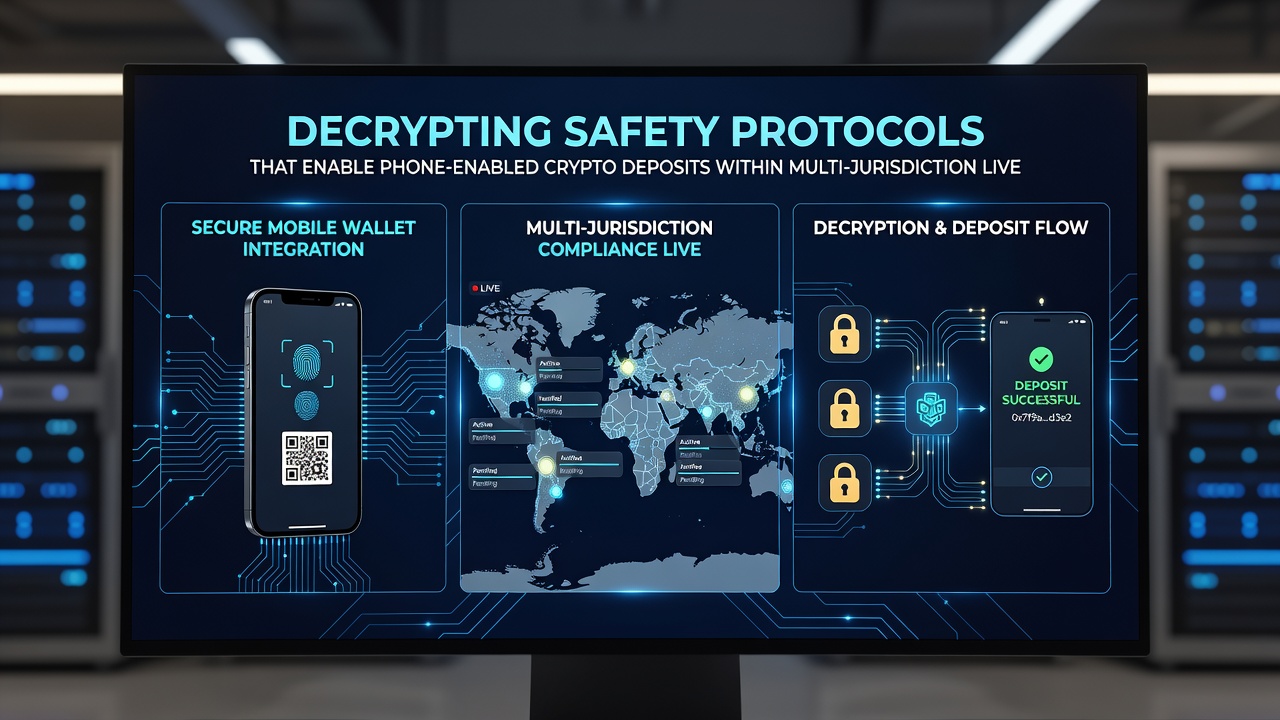
Multi-factor authentication extends beyond standard passwords to include device fingerprinting and behavioral biometrics, and these elements trigger additional scrutiny if patterns deviate from established user norms during high-volume live sessions. Figures from regional gaming associations demonstrate that such layered checks have lowered unauthorized access incidents in cross-border setups by significant margins since their wider adoption.
Technical Challenges and Solutions
Latency issues arise when routing phone deposits through international carriers before hitting blockchain confirmations, yet developers counter this with edge computing nodes that process initial validations closer to the source, and this approach keeps live dealer interactions fluid. Those who manage these networks report that regular penetration testing combined with formal verification methods identifies vulnerabilities in the crypto-phone bridge before they reach production environments.
Key rotation schedules and hardware security modules protect private keys across distributed servers, while audit trails log every step from initial phone authorization to final blockchain entry, and regulators in various territories require access to these logs under controlled conditions. Research indicates that quantum-resistant algorithms are entering testing phases to future-proof these systems against emerging computational threats.
Future Developments in Protocol Design
Developers explore homomorphic encryption options that permit computations on encrypted deposit data without decryption, which could streamline compliance reporting across jurisdictions, and early trials show promise for maintaining speed in live dealer environments. Industry organizations continue to collaborate on standardized interfaces that would allow phone carriers and crypto networks to exchange verification signals more efficiently while preserving user privacy.
Conclusion
Security protocols supporting phone-enabled crypto deposits in multi-jurisdiction live dealer networks combine established cryptographic tools with adaptive compliance mechanisms to address the demands of real-time gaming and international oversight, and ongoing refinements ensure these systems scale alongside technological and regulatory shifts. Data shows continued investment in these areas as operators seek reliable transaction pathways that function consistently across borders.