Crypto Platforms Embrace Phone Deposits to Ease Live Dealer Onboarding for New Users
Rosa Vogel · Nov 12, 2026
Crypto Platforms Embrace Phone Deposits to Ease Live Dealer Onboarding for New Users
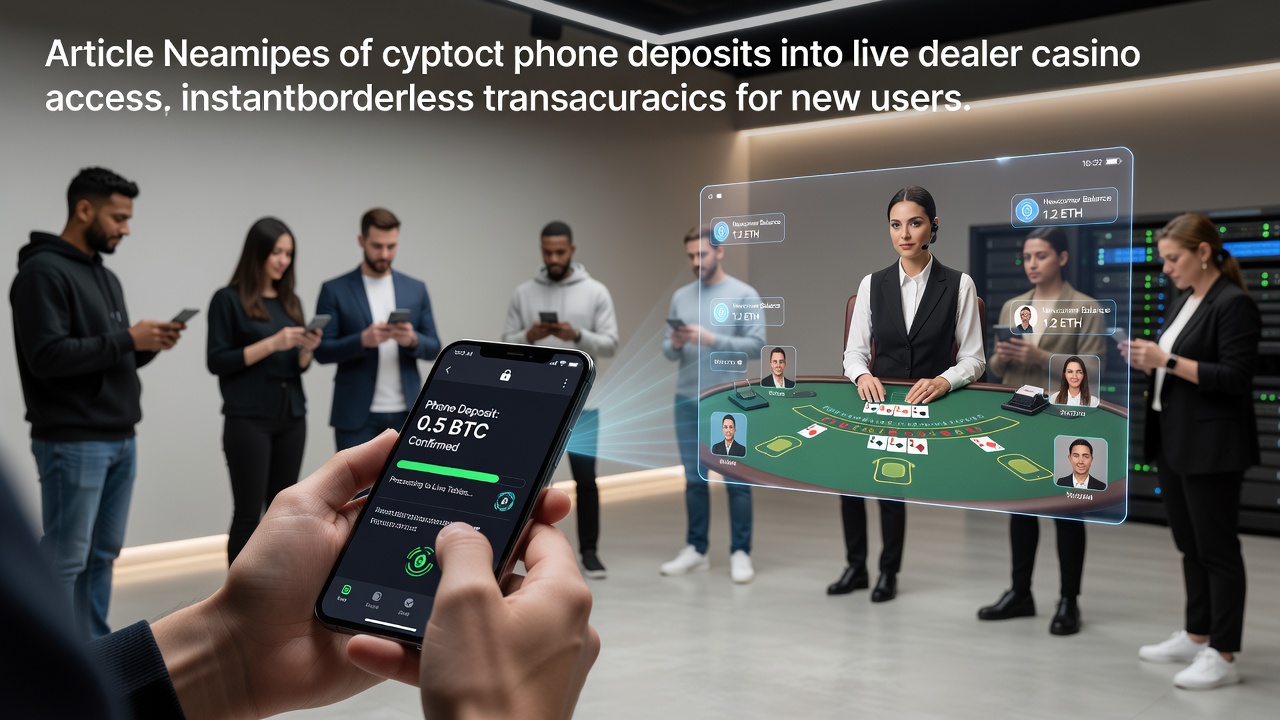
Phone deposits have become a key entry point for newcomers exploring live dealer tables on crypto-enabled platforms, where users add funds directly through mobile carrier billing and convert those amounts into digital assets for immediate table access. This method bypasses traditional banking delays, allowing players to fund accounts in minutes rather than waiting for transfers or verifications that often stretch across hours or days. Data from industry reports shows rising adoption rates among first-time users who prefer seamless mobile integration over complex wallet setups.
Mechanics Behind Phone Deposits in Crypto Settings
Operators integrate phone deposit systems by partnering with mobile carriers and payment processors that support billing to user phone accounts, after which funds convert to cryptocurrencies such as Bitcoin or stablecoins for use at live dealer tables. Those who studied transaction flows note that the process typically involves selecting a deposit amount on the casino interface, confirming via SMS code, and watching the balance appear in a linked crypto wallet within the platform. This flow reduces friction because newcomers avoid downloading separate exchange apps or handling seed phrases during initial sessions.
Studies indicate that conversion steps occur automatically on many platforms, where the deposited fiat amount purchases crypto at prevailing rates and credits it to the user's account for blackjack, roulette, or baccarat tables. Observers note that encryption protocols protect each step, while transaction logs remain accessible through both the casino dashboard and carrier statements for reconciliation purposes.
Access Advantages for Live Dealer Environments
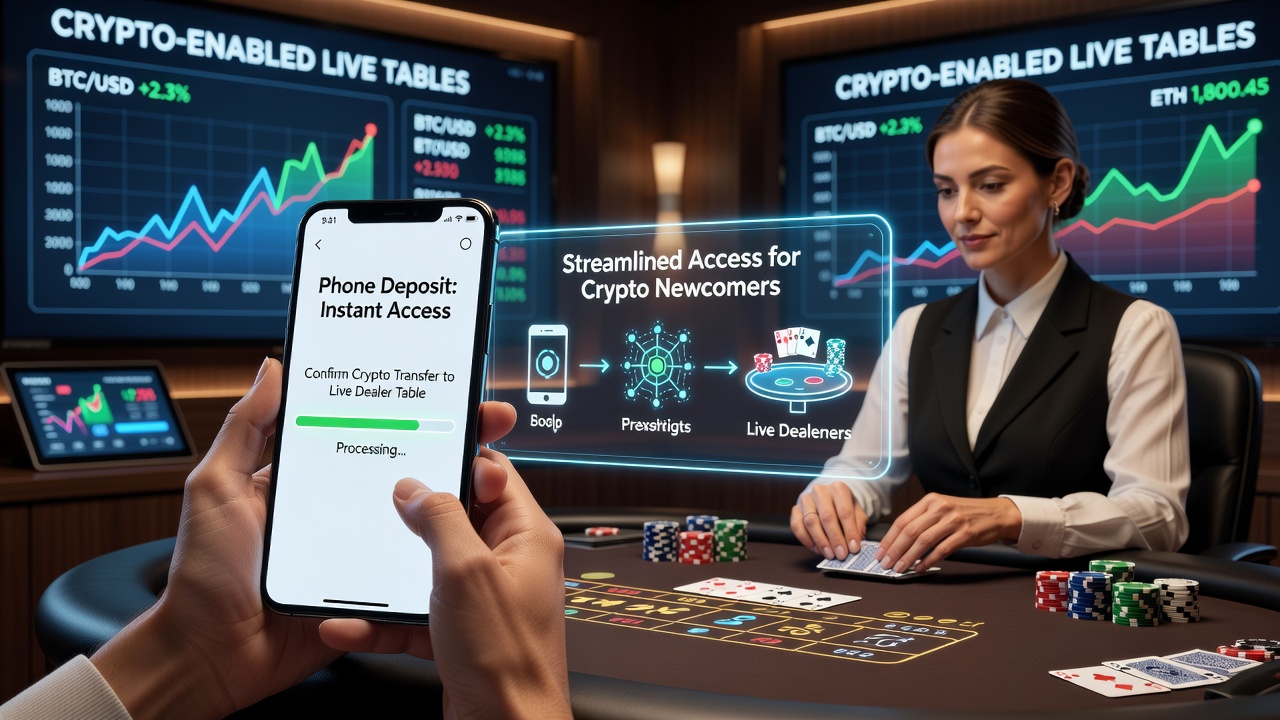
Live dealer tables require real-time participation, and phone deposits support this by enabling instant funding that aligns with scheduled game starts across different time zones. Research indicates that users who complete deposits via phone reach active tables faster than those relying on bank wires or card authorizations, which can trigger additional compliance checks. In November 2026, platform analytics revealed that sessions initiated through phone top-ups averaged shorter onboarding times compared to other methods.
Platforms further streamline entry by allowing small initial deposits that test the system before larger commitments, helping newcomers build familiarity with dealer interactions and chat features without financial overexposure. Figures reveal that this tiered approach correlates with higher retention rates in the first week of activity, as users transition smoothly from deposit confirmation to live video streams.
Integration Patterns Across Emerging Platforms
Many crypto-focused sites now list phone deposit options alongside wallet connect buttons, creating parallel pathways that accommodate varying user preferences. Those who've examined user journeys find that carriers in multiple regions support these transactions, expanding reach to areas where traditional financial services face restrictions. According to reports from the American Gaming Association, mobile billing solutions have gained traction in markets emphasizing digital asset compatibility.
Security layers include carrier-level authentication combined with platform-side multi-factor verification, which together minimize unauthorized access while preserving speed. Data shows that such combined measures maintain compliance with regional standards without introducing noticeable delays at the table interface.
Regional Variations in Adoption
Operators in North America and parts of Asia have documented increased phone deposit usage among crypto newcomers, with transaction volumes rising steadily through late 2026. The Canadian regulatory framework provides context on how these methods fit within broader payment oversight, allowing platforms to offer localized billing options. Users in these areas often combine phone deposits with existing crypto holdings to maintain flexibility across multiple live dealer sessions.
Platform dashboards track these patterns through anonymized metrics that highlight peak deposit times coinciding with popular dealer shifts, enabling better server allocation and stream quality management.
Conclusion
Phone deposits continue to shape onboarding for crypto-enabled live dealer tables by delivering direct, carrier-backed funding that aligns with the pace of real-time gaming. Transaction data through November 2026 underscores consistent usage growth, while integration with digital assets supports broader accessibility for emerging participants across varied regions.